Easy Crochet Pattern: Recycle Men’s Ties with Penny
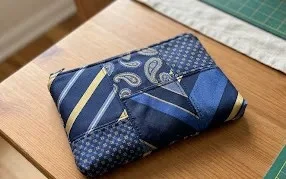
Old men’s ties have smooth woven fabric, bold stripes, and small sections that are often too good to throw away. In this project, those pieces become Penny, a handmade accent with a soft crocheted edge and the tidy shape of a small square. It suits beginners who want to practise even single crochet rows, as well as gift makers and anyone who enjoys adding handmade details to a room. The work is steady and satisfying, and the finished piece gives a favorite tie a new use. You will learn how to keep your rows even and work around reclaimed fabric, while making a project that can be adjusted to suit the tie’s colors and available material.
Why You’ll Love This Pattern
A firm cotton dishcloth is useful at the sink, and this simple square gives you plenty of practice making even single crochet rows. The pattern uses one stitch throughout, so you can focus on steady tension instead of managing a complicated repeat.
It takes about two to three hours to make, depending on your pace, and one ball of worsted cotton is usually enough. The compact size also makes it a practical project for using leftover cotton yarn, provided you have enough yardage to finish the last row.
The finished cloth is about 8 inches square, a handy size for washing dishes or wiping counters. A new crocheter can make it as a first project, while an experienced crocheter can work through the rows during a short break.
I made this cloth in an afternoon, and the clear row count helped me keep the edges straight. It feels sturdy after washing.
— Mara, home crocheter
Pattern Overview & Skill Level
- Skill Level: Beginner. You need to chain and make single crochet stitches.
- Approximate Time: Two to three hours.
- Construction: A flat square worked back and forth in rows, starting with a foundation chain.
- Finished Dimensions & Sizing: About 8 × 8 inches after washing and drying, using the gauge below. Small differences in tension may change the final size.
- Gauge: 16 single crochet stitches and 18 rows measure 4 inches square. Make a small swatch and adjust your hook if needed.
Materials & Supplies Needed
- Yarn: About 100 yards of worsted-weight (#4) cotton yarn in one color. Cotton absorbs water and holds up well to regular washing.
- Hook: 5.0 mm / H-8 crochet hook. Change hook size if needed to match gauge.
- Notions: Tapestry needle for weaving in the ends, scissors, and a ruler or measuring tape.
- Substitutions: Mercerized cotton gives the cloth a smooth, slightly firmer surface. A cotton-and-bamboo blend feels softer but may drape more and wear differently. If you use a thinner or thicker yarn, choose a suitable hook and expect the cloth’s size and yardage needs to change.
Stitch Guide & Abbreviations (US Terms)
- ch = chain.
- sc = single crochet.
- st = stitch.
- rep = repeat.
- sl st = slip stitch, used to join or move across stitches without adding height. It is not needed in the main cloth.
To make a single crochet, insert the hook into the stitch, yarn over and pull up a loop, then yarn over and pull through both loops on the hook. The turning chain at the start of each row does not count as a stitch.
Step-by-Step Pattern Instructions
Dishcloth
- Foundation: Ch 33. Keep the chain relaxed so the lower edge does not pull in.
- Row 1: Sc in the second ch from the hook and in each ch across. Turn. (32 sts)
- Row 2: Ch 1, sc in each st across. Turn. (32 sts)
- Rows 3–10: Rep Row 2 eight times, working one sc in every st. Turn after each row. (32 sts each row)
- Rows 11–20: Rep Row 2 ten times. Keep your loops even and check that you work into the final stitch at the end of every row. (32 sts each row)
- Rows 21–30: Rep Row 2 ten times. The turning ch does not count as a stitch, so work the first sc into the first stitch of the row. (32 sts each row)
- Rows 31–36: Rep Row 2 six times. After Row 36, fasten off, leaving a tail about 6 inches long. (32 sts each row)
Finishing
Thread the tail onto a tapestry needle and weave it through several stitches on the wrong side. Change direction and weave through a few more stitches so the end is secure. Weave in the starting tail the same way. Wash and dry the cloth, then lay it flat and gently square the corners. Do not stretch it hard, since that can make the edges wavy.
Care & Washing Instructions
- Wash cotton in warm water with regular laundry detergent; use a cooler setting if the yarn label recommends it.
- Tumble-dry on low or lay flat to dry. High heat can shrink some cotton yarns.
- While damp, smooth the cloth back into a square; follow the yarn label if you choose to block it.
Pro Tips & Common Mistakes to Avoid
- Keep the turning chain loose and make the first stitch in the first actual stitch, not in the turning chain. Tight edge stitches can make the cloth narrow at the top.
- Count 32 stitches at the end of each row. If your count changes, look for a missed stitch at the edge or an accidental extra stitch in the turning chain.
- Use a blunt tapestry needle and weave each end through the backs of several stitches, changing direction before trimming. A short end can work loose after repeated washing.
- To make the cloth wider or narrower, add or remove chains from the foundation, then work one fewer single crochet than the number of chains. A larger cloth needs more rows and more yarn; a smaller one uses less.
Frequently Asked Questions
Can I use acrylic yarn instead of cotton?
You can, but acrylic absorbs water differently and may feel less suited to dishwashing. Check the yarn label for washing instructions, and make a gauge swatch because acrylic can produce a softer, stretchier cloth.
How can I make the dishcloth a different size?
Change the foundation chain to set the width, then work the same number of rows as needed to approach a square. Keep one single crochet in each stitch and remember that changing the dimensions also changes the amount of yarn used.
Is this a good first crochet project?
Yes. It uses chains and single crochet, with no shaping or joining. Count each row as you finish it, and check the edges often so a missed stitch does not make the square narrower.
Can I sell dishcloths made from this pattern?
Check the designer’s terms before selling finished items, and do not claim the pattern as your own. If you sell the cloth, include accurate fiber and care information from the yarn label.
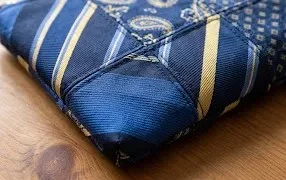
Penny gives a worn men’s tie a fresh purpose, with its familiar woven pattern framed by neat crochet stitches. For a simple variation, use ties in one color family for a quieter look, or change the size to suit the piece of fabric you have. Take a photo of your finished project and share it on Pinterest or your favorite social media page; it is fun to see how different tie patterns turn out. If you enjoyed working with reclaimed materials, explore more free crochet and handmade patterns on the blog for your next small project.