Free Easy Country Crochet Dishtowel Pattern for Beginners
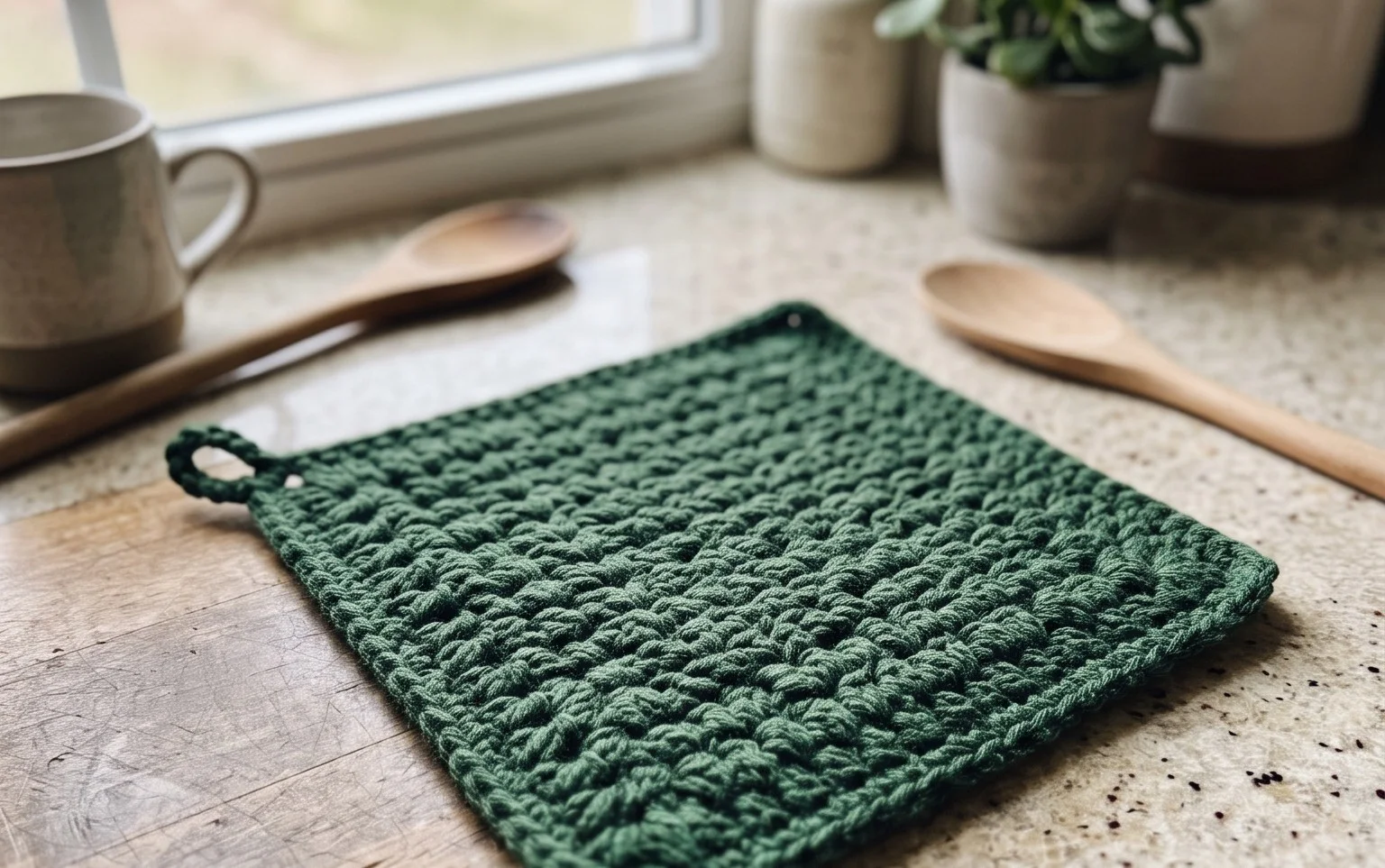
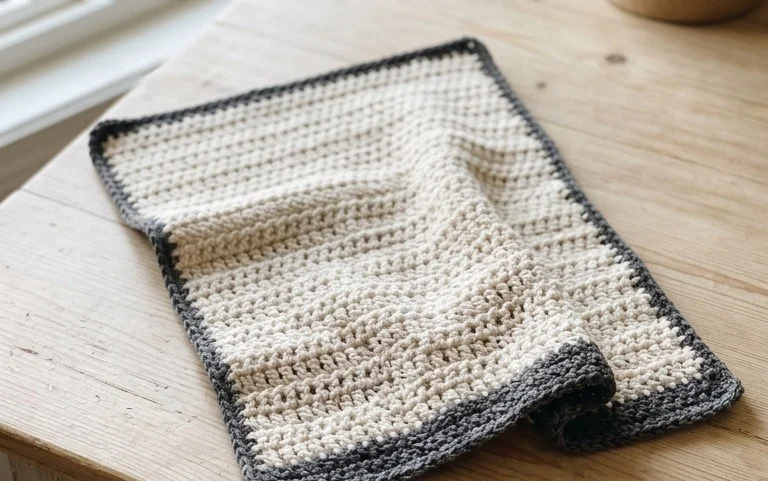
A stack of these handmade squares feels substantial in your hands, with a ridged texture that makes them incredibly effective for scrubbing dishes or wiping down kitchen counters. This country-style project is a favorite for anyone who enjoys productive downtime, as it turns leftover yarn bits into something genuinely useful for your home. You will learn to manage consistent tension while mastering the classic granny stitch, which builds a thick, absorbent fabric quickly. Whether you are new to the craft or a seasoned maker, the rhythm of these stitches offers a calm break in a busy day. Creating your own kitchen linens adds a personal, handmade touch that lasts much longer than thin store-bought versions.
Why You’ll Love This Pattern
The Classic Crochet Granny Square is the foundation of countless heritage projects, offering a repetitive, meditative rhythm that is perfect for evenings on the couch. Because each square is worked in individual rounds, it is an ideal project for using up small lengths of leftover yarn from previous makes. The construction creates a sturdy fabric that remains lightweight, making it suitable for everything from throw blankets to decorative pillows. Beginners often find this pattern the most rewarding way to master the double crochet stitch and understand working in the round.
I finally learned how to keep my corners sharp and my tension even with this clear guide. It is the first time I have finished a stack of squares without feeling frustrated by the layout.
— Sarah, hobbyist crafter
Pattern Overview & Skill Level
- Skill Level: Beginner
- Approximate Time: 30 to 45 minutes per square
- Construction: Working in rounds from the center outward
- Finished Dimensions & Sizing: Approximately 5 inches by 5 inches using medium weight yarn
Materials & Supplies Needed
- Yarn: Worsted weight (#4), 100% acrylic or wool blend, approximately 20 yards per square.
- Hook Size: 5.0 mm / H-8
- Notions: Tapestry needle for weaving in ends, sharp scissors, and a measuring tape.
- Safe Yarn Substitutions: Cotton yarn works well for dishcloths but will result in a smaller, stiffer square; bulky yarn will increase the size significantly and require a larger hook to prevent bunching.
Stitch Guide & Abbreviations (US Terms)
- ch: Chain
- st: Stitch
- sl st: Slip stitch
- dc: Double crochet
- dc-cluster: 3 double crochet stitches worked into the same chain-space
- sp: Space
- MR: Magic Ring
Step-by-Step Pattern Instructions
Granny Square Body
- Rnd 1: Start with a MR. Ch 3 (counts as first dc), work 2 dc into the ring, ch 2, *3 dc into ring, ch 2; repeat from * two more times. Join with a sl st to the top of the beginning ch-3. (12 dc, 4 ch-2 spaces)
- Rnd 2: Sl st into the next 2 sts and into the first ch-2 corner sp. Ch 3, 2 dc in same sp, ch 2, 3 dc in same sp. *Ch 1, skip 3 dc, (3 dc, ch 2, 3 dc) in next ch-2 sp; repeat from * two more times. Ch 1, join with a sl st to the top of the beginning ch-3. (24 dc, 4 ch-2 corners, 4 ch-1 spaces)
- Rnd 3: Sl st into the next 2 dc and into the corner ch-2 sp. Ch 3, 2 dc in same sp, ch 2, 3 dc in same sp. *Ch 1, 3 dc in the next ch-1 sp, ch 1, (3 dc, ch 2, 3 dc) in the next corner ch-2 sp; repeat from * two more times. Ch 1, 3 dc in last ch-1 sp, ch 1, join with sl st to top of beginning ch-3. (36 dc, 4 ch-2 corners, 8 ch-1 spaces)
- Rnd 4: Continue in established pattern, working (3 dc, ch 2, 3 dc) in each corner and 3 dc in each side ch-1 space, separated by ch 1. (48 dc, 4 ch-2 corners, 12 ch-1 spaces)
Finishing
Fasten off the yarn, leaving a 6-inch tail. Use the tapestry needle to weave the yarn tail back and forth through the back loops of the stitches on the reverse side of the square to secure it. Trim any excess yarn flush with the fabric.
Care & Washing Instructions
- Machine wash on a delicate cycle using cool water and a mild detergent to prevent fiber breakdown.
- Lay the square flat on a clean towel, reshaping it into a perfect square while damp to ensure it dries evenly.
- Avoid using bleach or high-heat drying, as this can cause the synthetic fibers to melt or the natural fibers to shrink significantly.
Pro Tips & Common Mistakes to Avoid
- Maintain consistent tension by holding the yarn taut but not tight; if the square begins to ripple or bow, your stitches are likely too loose.
- Place a locking stitch marker in the top of the beginning chain-3 of every round to easily identify where to join your slip stitch at the end of the round.
- Weave your ends in multiple directions, moving through the base of the stitches, to prevent them from slipping out after the item is washed.
- Adjust the size of the square by adding more rounds; remember that each additional round increases your total yarn usage by approximately 25 percent.
Frequently Asked Questions
Can I use a different weight of yarn for this pattern?
Yes, you can use any yarn weight, but you must adjust your hook size to match the label recommendation to ensure the fabric remains flexible rather than stiff or overly holey.
Why are my corners curling instead of laying flat?
Curling usually happens when the stitch tension is too tight or if you have missed one of the chain stitches in the corners, which prevents the fabric from expanding correctly.
How do I join these squares together to make a blanket?
You can join them using a whip stitch with a tapestry needle or by working a slip stitch through the back loops of two squares held together with right sides facing each other.
Can I sell the squares I make from this pattern?
You are welcome to sell finished items made from this design, provided you credit the pattern and use your own photographs to represent your work.
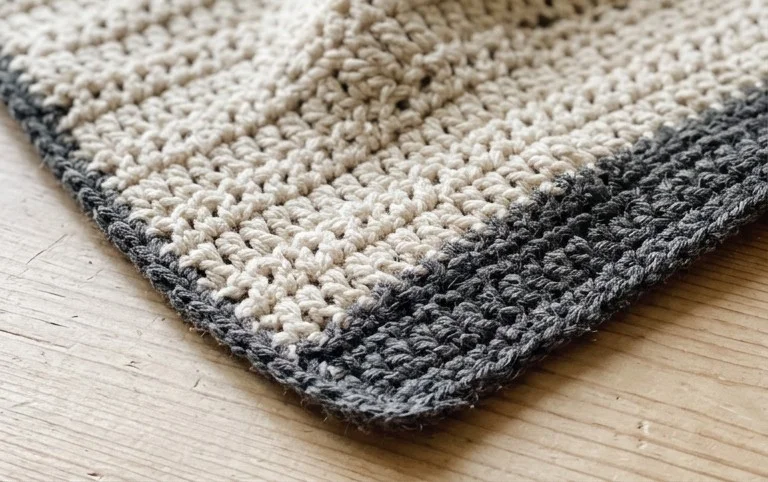
Your finished squares serve as a reliable, textured helper for your daily kitchen chores, showing off your hard work every time you reach for one. Experiment with alternating rows of striped cotton yarn to create a vintage look, or join several squares together to make a larger washcloth or a rustic table runner. Posting a photo of your work on your social media feed helps other makers find inspiration for their own yarn stashes. You can find more free patterns and seasonal project ideas by browsing through the older entries on my blog pages.