How to Crochet a Textured Cowl: Free Beginner Pattern
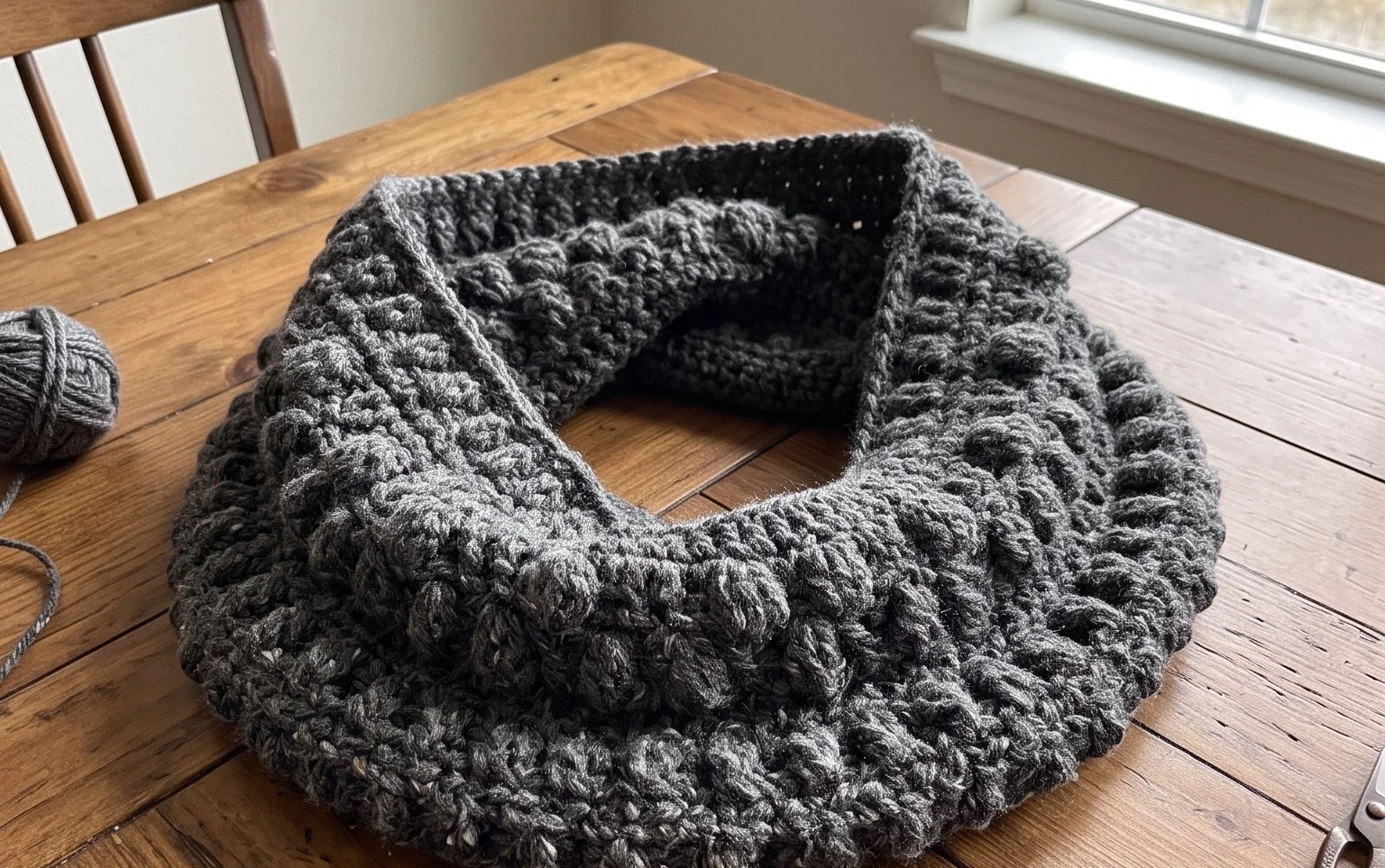
A thick, squishy cowl provides immediate warmth on a brisk autumn morning, tucking neatly inside your jacket to seal out the biting wind. This project relies on a repeating sequence of stitches that creates a dense, rhythmic fabric, making it a soothing choice for your next evening in. Beginners will find the logic behind the stitch placement simple to memorize after just a few practice rounds. You will learn how to maintain consistent tension while working in the round, ensuring a uniform finish that looks professionally made. This piece works up quickly with bulky yarn, making it a reliable gift for friends or family members who appreciate handmade accessories.
Why You’ll Love This Pattern
The Classic Crochet Cotton Dishcloth is a staple for every maker because it combines the durability of worsted weight cotton with a simple, rhythmic stitch pattern. It works up in under two hours, making it the ideal project for using up partial skeins of yarn remaining from larger blanket or garment projects. The texture created by the moss stitch is both visually interesting and highly functional for scrubbing surfaces, providing enough friction to clean effectively without scratching delicate finishes. Because it relies on basic chain spaces and single crochet stitches, you can work on this while listening to a podcast or watching television without needing to track complicated charts.
I finally mastered the moss stitch with this pattern. It is so satisfying to see the cloth grow row by row and it works much better than the store-bought ones I have used for years.
— Sarah, home crafter
Pattern Overview & Skill Level
- Skill Level: Beginner
- Approximate Time: 1.5 to 2 hours
- Construction: Worked in flat rows starting from a foundation chain
- Finished Dimensions: 8 inches by 8 inches
Materials & Supplies Needed
- Yarn: Worsted weight (#4) 100% cotton yarn, approximately 75 yards.
- Hook Size: 5.0 mm (US H-8).
- Notions needed: Yarn needle for weaving in ends, sharp scissors.
- Safe yarn substitutions: You may use a cotton-acrylic blend, though 100% cotton is recommended for maximum absorbency. Switching to a lighter DK weight yarn will require adding more foundation chains to maintain the 8-inch size.
Stitch Guide & Abbreviations (US Terms)
- ch: chain
- sc: single crochet
- sk: skip
- st(s): stitch(es)
- sp: space (the gap created by a ch-1)
- Moss Stitch: A pattern of [sc, ch 1, sk 1] across the row.
Step-by-Step Pattern Instructions
This dishcloth is worked in a square format. You will turn your work at the end of every row.
- Foundation: Ch 32.
- Row 1: Sc in the 4th ch from the hook, ch 1, sk 1, sc in the next ch repeat from * to * until the end of the row, turn. (15 sc, 14 ch-1 sps).
- Row 2: Ch 2 (counts as ch 1), sk the first sc, sc in the first ch-1 sp, ch 1, sk 1, sc in the next ch-1 sp repeat from * to * until the end, sc in the turning ch sp, turn. (16 sc, 15 ch-1 sps).
- Row 3: Ch 2, sc in the first ch-1 sp, ch 1, sk 1, sc in the next ch-1 sp repeat from * to * across, sc in the turning ch sp, turn. (16 sc, 15 ch-1 sps).
- Rows 4–35: Repeat Row 3 until the piece measures 8 inches long.
- Finishing: Fasten off, leaving a 6-inch tail. Weave the end securely back into the fabric using a yarn needle.
Care & Washing Instructions
- Machine wash in cold water on a gentle cycle to prevent excessive shrinking.
- Tumble dry on low heat or lay the cloth flat on a clean towel to air dry.
- Reshape the square by pulling gently on the corners while the item is still damp to ensure it remains flat.
Pro Tips & Common Mistakes to Avoid
Maintaining consistent tension is vital for a square shape. If your cloth begins to pull into a trapezoid, you are likely pulling the turning chain too tightly. Always place a stitch marker in the first chain of your foundation row to help you identify where to place your final stitch of the following round. To hide ends invisibly, thread your yarn needle and weave the tail through the centers of the single crochet stitches rather than along the edges, which prevents the yarn from coming loose during laundering. If you choose to increase the size to a washcloth or small towel, note that every two inches of additional width will require approximately 20 extra yards of cotton yarn.
Frequently Asked Questions
Can I use a different hook size to change the texture?
Yes, using a hook smaller than 5.0 mm will result in a denser, stiffer fabric that is excellent for scrubbing, while a larger hook will create a drapier, softer cloth that dries more quickly.
Is this project suitable for someone who has never crocheted before?
Absolutely. This pattern requires only two basic techniques: the chain stitch and the single crochet. It provides plenty of practice for maintaining consistent tension without the pressure of complex counting.
Am I allowed to sell the dishcloths I make from this pattern?
You are welcome to sell items made from this pattern, provided you credit the design. Please do not sell or redistribute the pattern document itself.
What should I do if my edges are not straight?
Uneven edges usually result from accidentally adding or dropping a stitch at the start or end of a row. Always count your single crochets after every row to ensure you have exactly 16 stitches until you reach the final row.
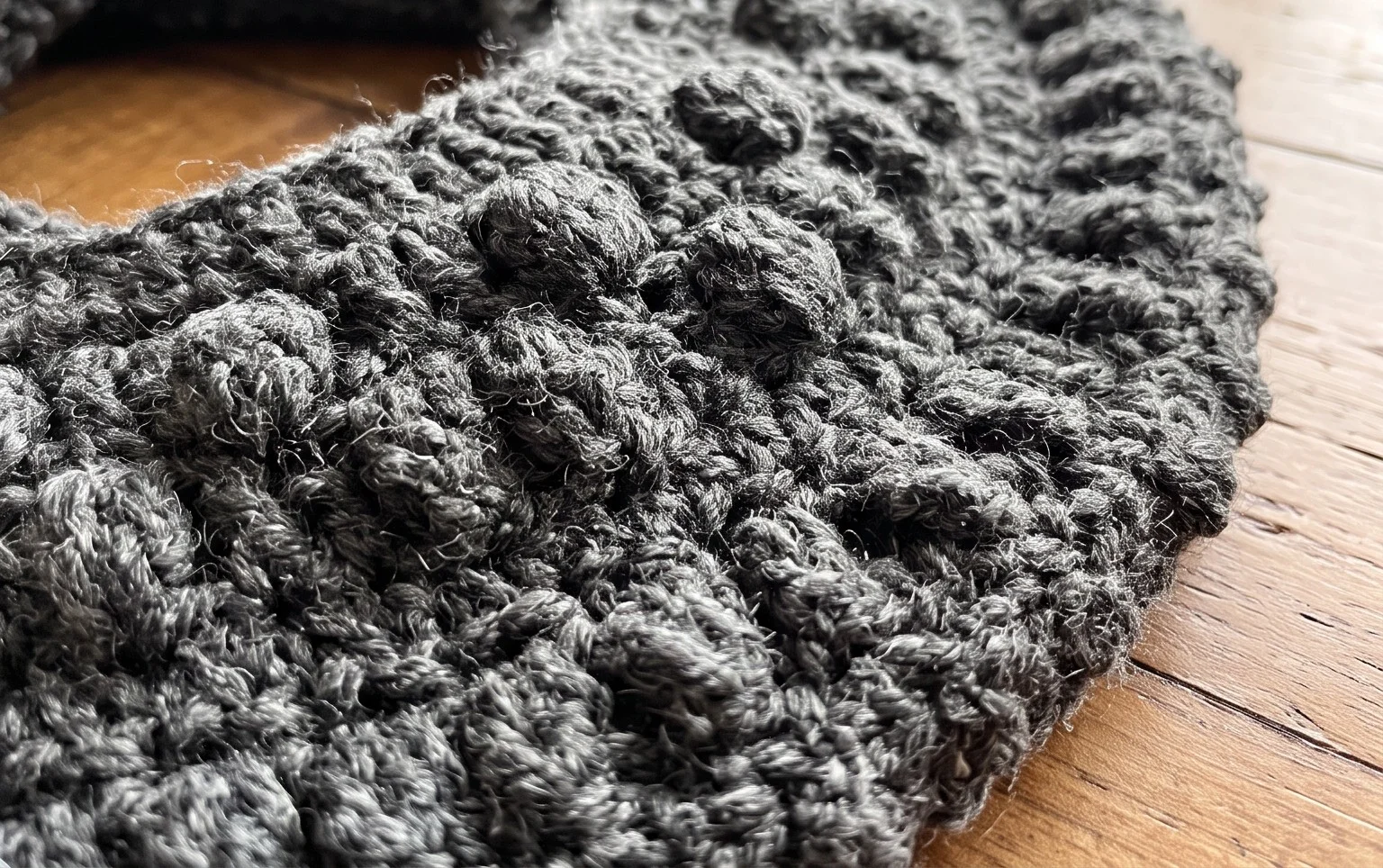
Your finished cowl will provide years of cozy comfort during cold weather commutes or outdoor walks. For a lighter version suited for early spring, try working this same pattern with a soft merino wool blend instead of chunky acrylic. Once you finish your project, share a photo of your work on Instagram or Pinterest to show off those clear stitch definitions. If you enjoyed this project, browse the rest of the blog for more free patterns to build your growing collection of handmade cold weather gear.