Cozy Cable Crochet Stocking: Free Beginner Pattern
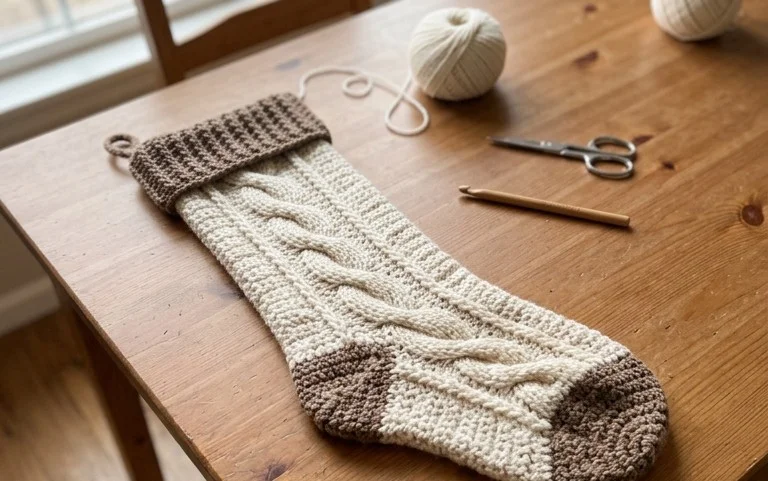
Cables add a thick, squishy texture to holiday decor that traditional flat stitches simply cannot match. This stocking features a heavy, warm fabric that hangs beautifully from a mantelpiece and stands up to years of use. It is a rewarding project for anyone who enjoys seeing a classic design come together row by row. You will learn to manipulate your hook to create raised twists and turns in the yarn, a technique that looks far more complex than it actually is. It makes a thoughtful gift for neighbors or a festive upgrade for your own home during the winter months.
Why You’ll Love This Pattern
The Classic Crochet Cotton Dishcloth is the gold standard for learning essential construction techniques while creating a functional item for your home. You will work in back-and-forth rows to build a sturdy square with a dense, scrubby texture. This project requires only basic knowledge of chaining and single crochet, making it a reliable choice for mastering even tension. Because it uses durable cotton yarn, the finished cloth handles repeated washings without losing its shape or scrubbing power.
I finished this dishcloth in one evening while watching television. It is the perfect size for washing dishes, and the texture holds soap better than store-bought sponges.
— Sarah, beginner crocheter
Pattern Overview & Skill Level
- Skill Level: Beginner
- Approximate Time: 1 to 1.5 hours
- Construction: Flat square worked in rows
- Finished Dimensions: 8 inches by 8 inches
Materials & Supplies Needed
- Yarn: Worsted weight (#4) 100% cotton yarn, approximately 60 yards.
- Hook Size: 5.0 mm (US H-8).
- Notions: Yarn needle for weaving ends, sharp scissors.
- Yarn Substitutions: You may use a cotton-acrylic blend for a softer feel, but pure 100% cotton provides the best absorbency and heat resistance for kitchen tasks.
Stitch Guide & Abbreviations (US Terms)
- ch: Chain
- sc: Single crochet (insert hook, yarn over, pull up a loop, yarn over, pull through both loops on hook).
- st/sts: Stitch/stitches.
- turn: Turn your work at the end of the row to begin the next row.
Step-by-Step Pattern Instructions
Main Dishcloth Body
Work this pattern in rows. Each row starts with a turning chain that does not count as a stitch.
- Row 1: Ch 30. Sc in the second ch from the hook and each ch across. (29 sts)
- Row 2: Ch 1, turn. Sc in each st across. (29 sts)
- Rows 3–30: Repeat Row 2.
Finishing
After completing Row 30, fasten off the yarn, leaving a 6-inch tail. Use the yarn needle to weave the tail back into the edge of the cloth to secure it. Trim any excess yarn close to the fabric surface. If desired, you may add a small hanging loop by chaining 10 at one corner and slip stitching back into the same corner before fastening off.
Care & Washing Instructions
- Machine wash in warm water on a gentle cycle to remove oils and food residue.
- Tumble dry on low heat or lay flat to dry to prevent excessive shrinkage of the cotton fibers.
- Pull the damp dishcloth back into a perfect square shape while it is still wet to ensure it dries flat and even.
Pro Tips & Common Mistakes to Avoid
Maintaining consistent tension is the secret to a professional-looking dishcloth. If your cloth begins to pull inward at the edges, your tension is likely too tight; try loosening your yarn grip. Use a stitch marker in the first and last stitch of every row to ensure you do not accidentally drop stitches, which is the most common cause of a dishcloth that ends up as a triangle rather than a square. Weave your ends in multiple directions—first left, then right, then left again—to ensure they do not come undone during heavy scrubbing. You can easily adjust the size of this project; simply increase your starting chain for a wider cloth or add more rows for a longer rectangle, keeping in mind that you will need more yarn if you make the item significantly larger.
Frequently Asked Questions
Can I use a different yarn weight for this pattern?
You can use DK or bulky weight yarn, but you will need to adjust your starting chain count to match the desired 8-inch width. A lighter yarn will require more chains, while a heavier yarn will require fewer.
Why do the edges of my dishcloth look uneven?
Uneven edges are usually caused by missing the first or last stitch of a row. Always count your stitches at the end of each row to confirm you have 29 stitches before turning.
Is this pattern suitable for complete beginners?
Yes, this is an ideal first project. It teaches you how to maintain a consistent stitch count and how to manage the edges of a flat piece, which are foundational skills for larger projects like blankets.
May I sell the dishcloths I make using this pattern?
You are welcome to sell finished items made from this pattern. Please credit the original design when listing your products online or at local markets.
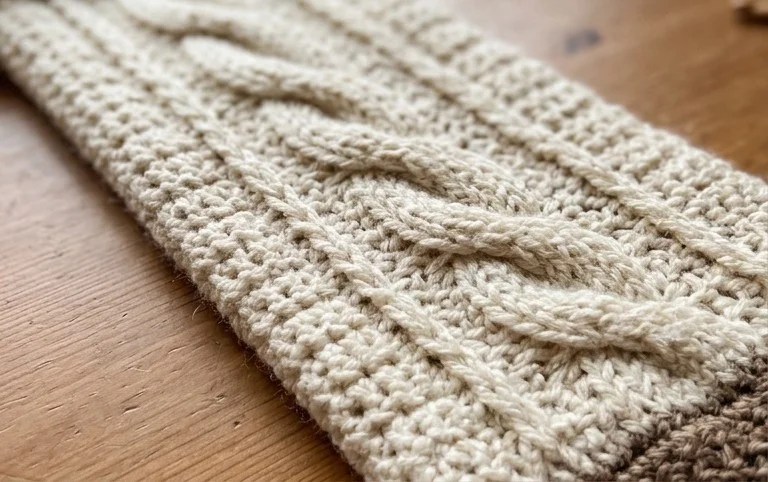
Seeing your handmade stocking hung by the fireplace brings a special sense of accomplishment to the holiday season. You can easily adapt this design by switching to a deep forest green wool or adding a chunky pom-pom to the toe for extra charm. Once you finish your first one, please upload a photo of your work to your favorite social media site so others can see your color choices. Browse through the rest of our pattern library for more seasonal projects to keep your hands busy while you relax at home.